The Stonewalling Cycle: Why I Had to Go First
by Kenya Ferguson | The Rebuilding of Self

Watch this episode
Stonewalling is a fancy word for a very old move: going silent, going cold, pulling all the way back inside yourself and locking the door. I got good at it. It felt like the only power I had left.
For a long time I told myself the silence was protection. If I said nothing, I could not be hurt again, could not be misread, could not hand over more of myself to be dropped. But protection and paralysis look identical from the outside, and after a while they start to feel identical from the inside too.
The Cycle
The cycle goes like this. Something hurts. You withdraw to feel safe. The withdrawal creates distance. The distance creates more hurt. And around it goes, each loop tightening, until nobody remembers what the first injury even was.
What “Going First” Actually Means
I want to be careful here, because “go first” can sound like advice to over-function, to be the one who always reaches, always repairs, always carries the emotional weight. That is not what I mean, and I have made that mistake too.
Going first, for me, meant something smaller and less noble. It meant being the first to name the silence instead of living inside it. Not “I forgive everything,” not “let us pretend,” just: “I have gone quiet and I know it, and here is what is underneath it.”
Naming It Is for Me, Not for Them
That is not for the other person. That is for me. Naming the withdrawal turned it from a wall I was trapped behind into a thing I could actually look at. And once I could look at it, I could choose it or set it down, instead of just defaulting into it.
What This Looks Like Now
Some days I still stonewall. I am not writing this from the far side of the habit. I am writing it from the middle, on a week where I caught myself doing it twice and only named it once. That count feels like progress, and I am learning to let it be enough.
What I Learned
Protection and paralysis look identical from the outside, and after a while they feel identical from the inside too. Naming the silence — saying “I have gone quiet and I know it” — turned the wall from something I was trapped behind into something I could look at and choose.
Closing Thoughts
If you recognize the cycle, I am not going to tell you to break it in one grand gesture. I am going to tell you to notice the wall while you are behind it. That noticing is the whole first step, and it belongs to you no matter what anyone else does.
One Small Step Today
The next time you catch yourself going silent and cold, name it — even just to yourself: “I have gone quiet, and I know it.” You do not have to fix it or explain it yet. Just notice the wall while you are behind it.
If this article resonated with you, consider subscribing on YouTube or sharing it with someone who might need to hear it.
Watch on YouTube
See this episode on Just Kenya Being Kenya
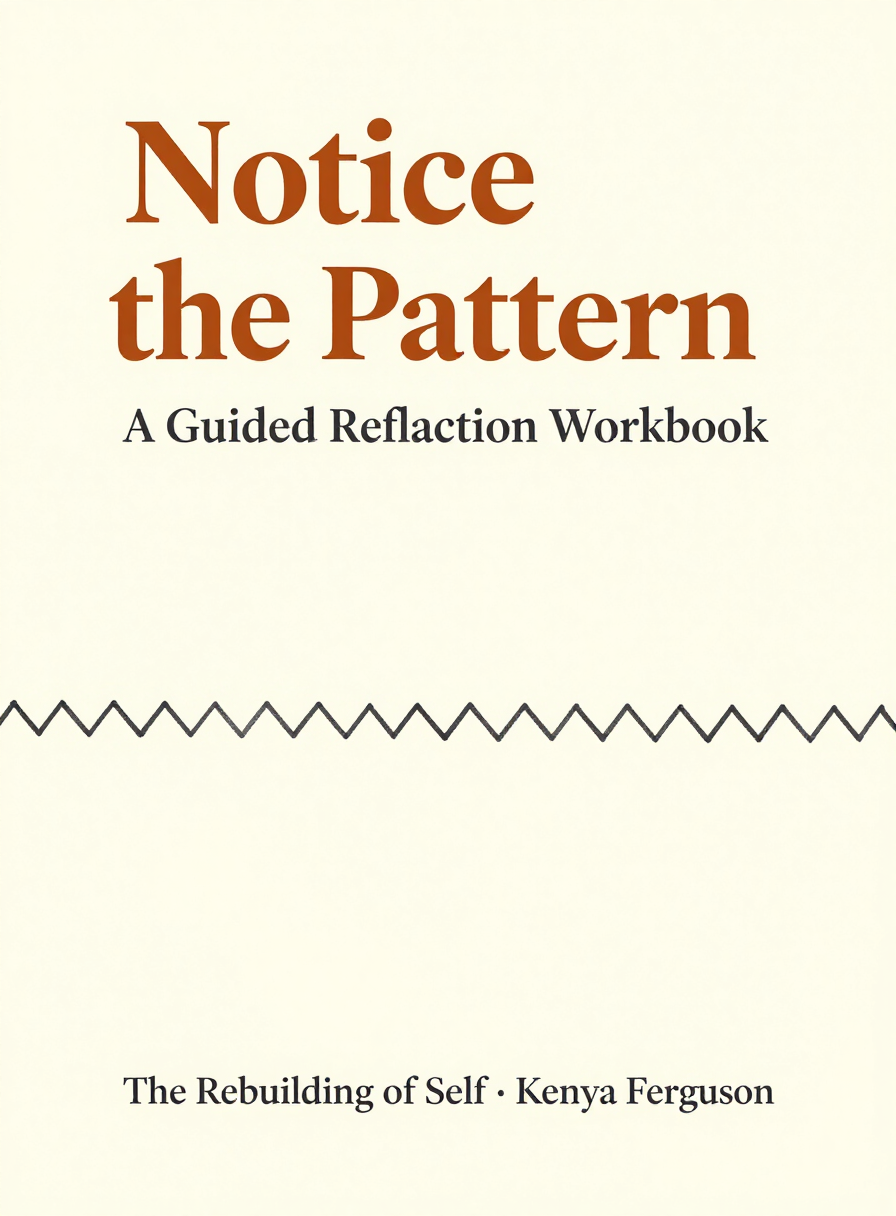
Free Workbook
Notice the Pattern: A Guided Reflection Workbook
Notice what keeps repeating, identify what you need, and choose one realistic next step.
Download the WorkbookKenya Ferguson is the creator of Just Kenya Being Kenya and the author of The Rebuilding of Self, a resource for adults navigating relationship challenges, personal recovery, and the daily work of finding their way back to themselves. The Rebuilding of Self is a publication of Sacred Heart Collective.
Related reading
Communication & Safety
The Origin Story: The Moment Everything Cracked
Communication & Safety
The Time-Out Protocol: My Non-Negotiable Script for Conflict
Betrayal Trauma & Individual Healing
Weaponized Silence: How I Stopped Letting the Anxiety Win When He Disappeared
Communication & Safety
The Art of the Single Statement: How I Learned to End Arguments Without Explaining Myself to Exhaustion
Previous episode
The Origin Story: The Moment Everything Cracked
Next episode
The Time-Out Protocol: My Non-Negotiable Script for Conflict
Coming up
- When Accountability Is a Performance
- Trust as a Track Record, Not a Feeling
- The Boundary That Held
Want to know when the next one lands?